
4 Healthy Sleep Trends for 2026
- Jan 15
- 2 min read

How the Way We Sleep Is Changing
As wellness becomes a top priority worldwide, sleep health is no longer just about getting more hours — it’s about sleeping better. In 2026, consumers are shifting toward smarter, healthier, and more intentional sleep habits.
From minimalist sleeping environments to biohacking-friendly mattresses, here are the 4 biggest healthy sleep trends for 2026 you should know.
1. The Return of Traditional Japanese Floor Sleeping
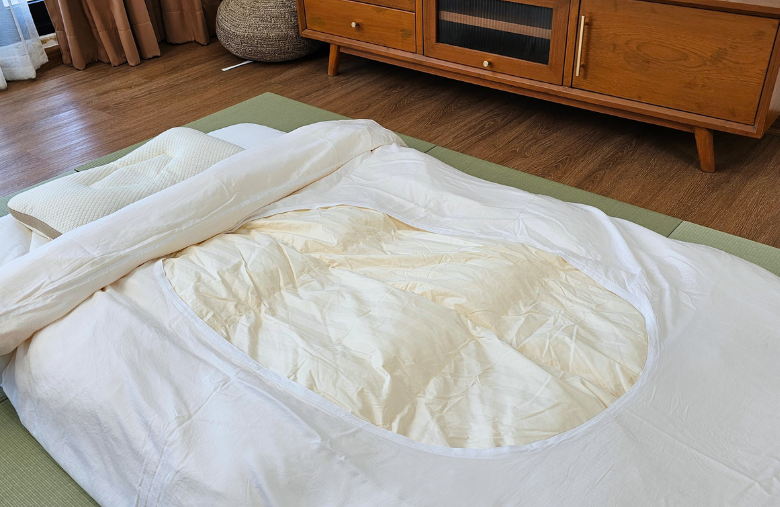
One of the most surprising sleep trends of 2026 is the revival of traditional Japanese floor sleeping, especially across Asia.
Sleeping on a futon placed directly on the floor has been part of Japanese culture for centuries — and today, modern consumers are rediscovering its health benefits.
Why floor sleeping is gaining popularity again
Better spinal alignmentFirmer sleeping surfaces help keep the spine in a more neutral position, reducing back pain and poor posture.
Improved circulationSleeping closer to the ground often means less pressure on joints and muscles.
Cleaner, more breathable sleepFutons are usually aired daily, reducing dust mites and moisture buildup.
Minimalist lifestyle appealYounger generations love the idea of flexible living spaces — fold the futon away during the day and reclaim your room.
In countries like Japan, Korea, Thailand, and Singapore, consumers are increasingly choosing Japanese-style futons over bulky Western mattresses as part of a healthier, more mindful way of living.
Floor sleeping is no longer seen as “old-fashioned” — it’s becoming a modern wellness choice.

2. Sleep Surfaces That Support Natural Posture
In 2026, people are moving away from overly soft beds and toward posture-supportive sleep surfaces.
The focus is now on:
Medium-firm to firm mattresses
Tatami mats + futons
Orthopedic foam layers
Hybrid natural materials like coconut fiber and latex
Consumers are learning that a mattress should support the body, not swallow it. This trend strongly connects with the rise of floor sleeping and minimalist bedding.
3. Non-Toxic & Eco-Friendly Bedding
Health-conscious sleepers in 2026 are asking one big question:
“What am I breathing while I sleep?”
As a result, demand is growing for:
Organic cotton sheets
Chemical-free mattress materials
Low-VOC foam
Natural fillings like wool, kapok, and bamboo fiber
Sleep is now seen as a daily detox period, and people want their sleep environment to be as clean as their diet.
Brands that can communicate safety, transparency, and sustainability will win consumer trust in this new era.
4. Personalized Sleep Setups Instead of One-Size-Fits-All
In the past, people bought one mattress and hoped it worked.In 2026, sleepers want custom sleep systems.
Examples of personalization trends:
Different firmness levels for each side of the bed
Modular mattresses with changeable layers
Choosing between bed sleeping or floor sleeping based on lifestyle
Matching pillows and toppers to sleep position
Consumers now understand that good sleep is personal, and brands that offer flexibility will stand out.


Comments