
Can You Sleep on a Japanese Futon Every Night?
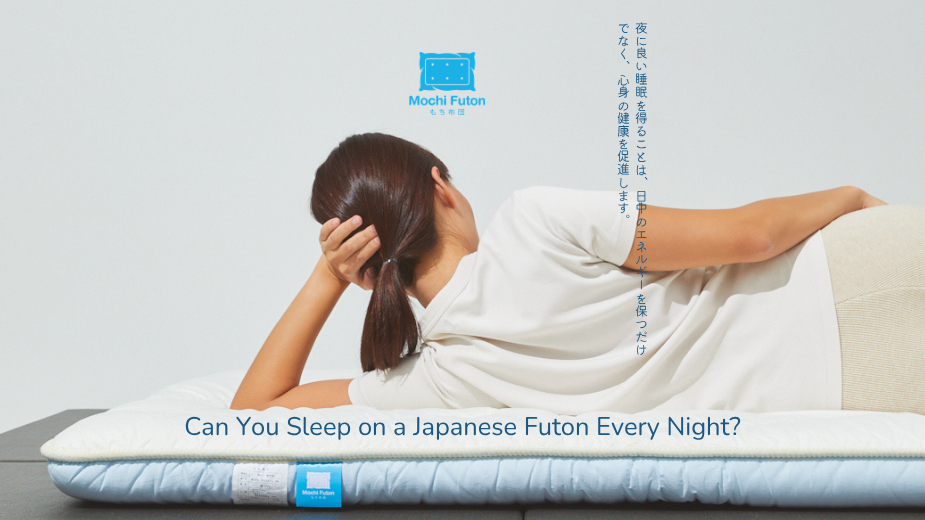
You can sleep on a Japanese Futon every night. In fact, futons have been used as an everyday sleeping surface in Japan for generations. Unlike the thick mattresses commonly used in Western-style bedrooms, a traditional Japanese Futon is designed to provide a firmer sleeping surface while remaining lightweight, foldable, and easy to store.
For people living in Singapore, a Japanese Futon can also be a practical choice for smaller homes, minimalist bedrooms, guest rooms, or anyone who prefers sleeping closer to the floor.
However, whether it is comfortable for daily use depends on several factors, including the firmness you prefer, the surface underneath the futon, and how well you care for it.
Is a Japanese Futon Suitable for Daily Sleeping?
A Japanese Futon is designed to be slept on regularly rather than only used as an occasional guest mattress.
Traditional Japanese sleeping arrangements typically involve placing the futon directly on tatami flooring and folding or storing it away during the day. This allows the sleeping area to be used for other activities and helps keep the futon ventilated.
Today, many people also use a Japanese Futon on wooden flooring, tatami mats, platform beds, or other firm surfaces.
The main difference you may notice compared with a conventional mattress is firmness. A Japanese Futon generally provides less cushioning and allows your body to rest on a more supportive, stable surface.
For people who enjoy a firm mattress, this can feel comfortable from the first night. For those who are used to very soft mattresses, however, there may be an adjustment period.
What Does Sleeping on a Japanese Futon Feel Like?
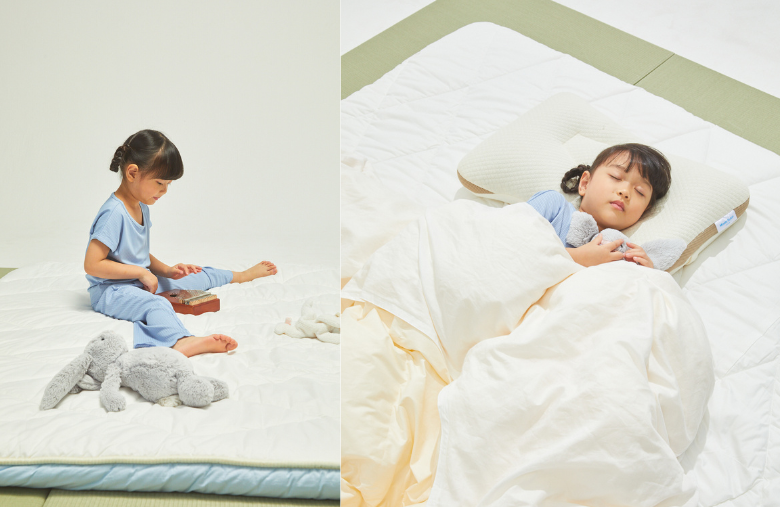
Sleeping on a Japanese Futon feels noticeably different from sleeping on a thick spring or memory foam mattress.
Because the futon is thinner, you may feel more connected to the surface underneath you. Instead of sinking deeply into the mattress, your body remains relatively level.
Some sleepers prefer this because they feel more stable during the night. Others may need time to get used to the reduced cushioning.
Your sleeping position also matters.
Back sleepers often adapt well to firmer sleeping surfaces, while side sleepers may prefer a slightly thicker Japanese Futon or additional cushioning around the shoulders and hips.
The surface underneath the futon can also make a significant difference. Placing a futon directly on hard tiles will feel firmer than placing it on tatami or another slightly cushioned surface.
Can You Put a Japanese Futon Directly on the Floor?
Yes, a Japanese Futon can be placed directly on the floor, but proper ventilation is important.
This is particularly relevant in Singapore because of the warm and humid climate.
When a person sleeps, moisture from the body can gradually accumulate within bedding. If a futon remains on the floor continuously without ventilation, moisture can become trapped between the futon and the floor.
For this reason, it is a good idea to lift or fold the futon regularly and allow both the underside of the futon and the floor to air out.
Using a tatami mat or ventilated base underneath the futon can also help create a more traditional Japanese sleeping setup.
Does Sleeping on a Japanese Futon Take Time to Get Used To?
For some people, yes.
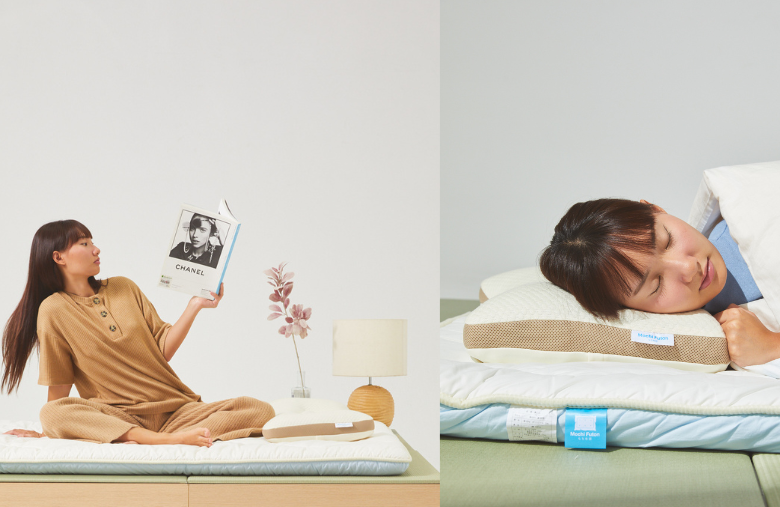
If you have spent many years sleeping on a soft or thick mattress, your first few nights on a Japanese Futon may feel unusually firm.
Your body may simply need time to adjust to a different sleeping surface.
Rather than immediately deciding whether a futon is right for you after one night, it may be helpful to give yourself several nights to experience the difference.
However, comfort is highly personal. If you consistently experience discomfort or pain, you should reconsider the sleeping setup, the surface underneath the futon, or the amount of cushioning you are using.
Who Might Enjoy Sleeping on a Japanese Futon Every Night?
A Japanese Futon may be particularly suitable for people who:
Prefer a firmer sleeping surface.
Want a minimalist bedroom setup.
Live in a smaller apartment or HDB flat.
Want to free up floor space during the day.
Prefer sleeping closer to the floor.
Like Japanese-style interiors.
Want a mattress that can be folded and moved more easily.
However, people who strongly prefer deep cushioning or a very soft mattress may find a traditional Japanese sleeping surface too firm.
So, Can You Really Use a Japanese Futon Every Night?
Absolutely.
A Japanese Futon is not simply an occasional floor mattress or temporary bedding solution. It can be used as your primary sleeping surface every night when paired with the right setup and proper care.
The most important considerations are comfort, firmness, ventilation, and the surface underneath your futon.
For Singapore homes, the ability to fold and store a futon can also be particularly useful where space is limited.
If you enjoy a firmer sleeping surface and appreciate the simplicity of Japanese-style living, sleeping on a Japanese Futon every night can be a practical and comfortable alternative to a conventional bed.



Comments