
Japanese Futon for Modern Living

A good night’s sleep does not always require a large bed frame or a thick mattress. In recent years, many people have become more interested in simpler sleeping arrangements inspired by Japanese living, especially the Japanese Futon.
Known for its flexibility, space-saving design, and calm aesthetic, a Japanese Futon can help create a bedroom that feels peaceful, practical, and similar to the atmosphere of a traditional Japanese ryokan.
For people living in apartments, condominiums, or smaller homes, a Japanese Futon can be more than just bedding. It can also complement minimalist interiors and modern Japanese-style living.
Why Does a Japanese Futon Work Well in Modern Homes?
Modern urban homes are becoming more compact, and large furniture pieces can quickly make a room feel crowded.
A Japanese Futon offers a more flexible alternative because it can reduce the amount of permanent space dedicated to sleeping.
After the futon is folded or stored during the day, the same area can become a sitting space, yoga area, home office, or exercise zone.
This makes the futon especially suitable for people who prefer multifunctional spaces and want to make better use of every square meter of their home.
5 Reasons to Consider a Japanese Futon
1. It Helps Save Space
One of the biggest advantages of a Japanese Futon is its space-saving design.
Compared with a large mattress and bed frame that permanently occupy part of a room, a futon can often be folded and stored after use.
This can be especially valuable in studio apartments, smaller bedrooms, or compact condominiums where every bit of floor space matters.
2. It Creates a Japanese Minimalist Atmosphere
Another appealing feature of a Japanese Futon is its simple and understated appearance.
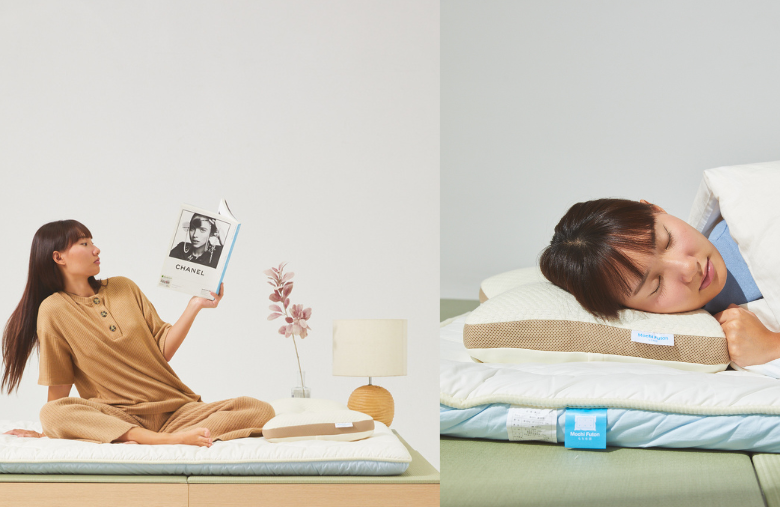
When paired with wooden furniture, low tables, warm lighting, neutral-colored curtains, or tatami-style flooring, it can help create a calm and relaxing Japanese-inspired bedroom.
You do not need to fill the room with Japanese decorations. In many cases, reducing clutter and choosing natural materials is enough to create a peaceful, ryokan-inspired atmosphere.

3. It May Suit People Who Prefer a Firmer Sleeping Surface
Everyone has different preferences when it comes to mattress firmness.
Some people do not enjoy mattresses that feel overly soft or allow the body to sink too deeply. A Japanese Futon can offer a noticeably different sleeping experience from a traditional spring mattress or thick Western-style mattress.
Comfort is highly personal, however, so it is important to choose the right thickness and firmness for your body type and sleeping habits.
4. It Is Easier to Move and Rearrange
If you enjoy changing the layout of your room, a large bed frame can make rearranging furniture difficult.
A Japanese Futon is generally easier to move, fold, and store, allowing you to adjust your living space more freely.
This means one room can function as a bedroom at night and become an open living space during the day.
5. It Supports a Simpler Lifestyle
Minimalist living is not necessarily about owning as few things as possible. It is about keeping items that are useful and meaningful.
A Japanese Futon fits this philosophy well because it serves its purpose when needed and can be stored when it is not in use.
By reducing the need for large pieces of furniture, it can also help make a room feel cleaner, more open, and less visually crowded.
Who Is a Japanese Futon Suitable For?
A Japanese Futon may be a good option for several types of users.
It can work well for people living in small apartments, those who enjoy Japanese interior design, people who want to reduce the amount of furniture in their homes, and anyone who wants a room to serve multiple purposes.
It can also be useful as guest bedding because it can be stored when it is not needed, helping you keep the room open and uncluttered.
How to Create a Ryokan-Inspired Bedroom
If you want your Japanese Futon to become part of a complete Japanese-inspired interior, try keeping the rest of the room simple.
Choose natural tones such as white, cream, beige, light brown, and wood colors. Avoid oversized furniture where possible, and consider using low-profile furniture to make the room feel more spacious.
Tatami-style mats, a low wooden table, soft warm lighting, and lightweight curtains can also help create a more relaxed atmosphere.
The goal is not to fill the room with Japanese-themed decorations. Instead, focus on simplicity, open space, and visual calm.
A Japanese Futon Is More Than a Trend
The appeal of a Japanese Futon goes beyond the visual charm of a ryokan-style bedroom.
It represents a different way of thinking about living space.
Instead of asking whether a bedroom must remain a bedroom all day, the futon makes it possible to create a flexible room that changes according to your needs.
For people living in smaller homes, this adaptability can be especially valuable.
At the same time, reducing unnecessary furniture and keeping the room simple can help create a calmer atmosphere, which is one reason Japanese minimalist interiors continue to attract attention around the world.


Comments